
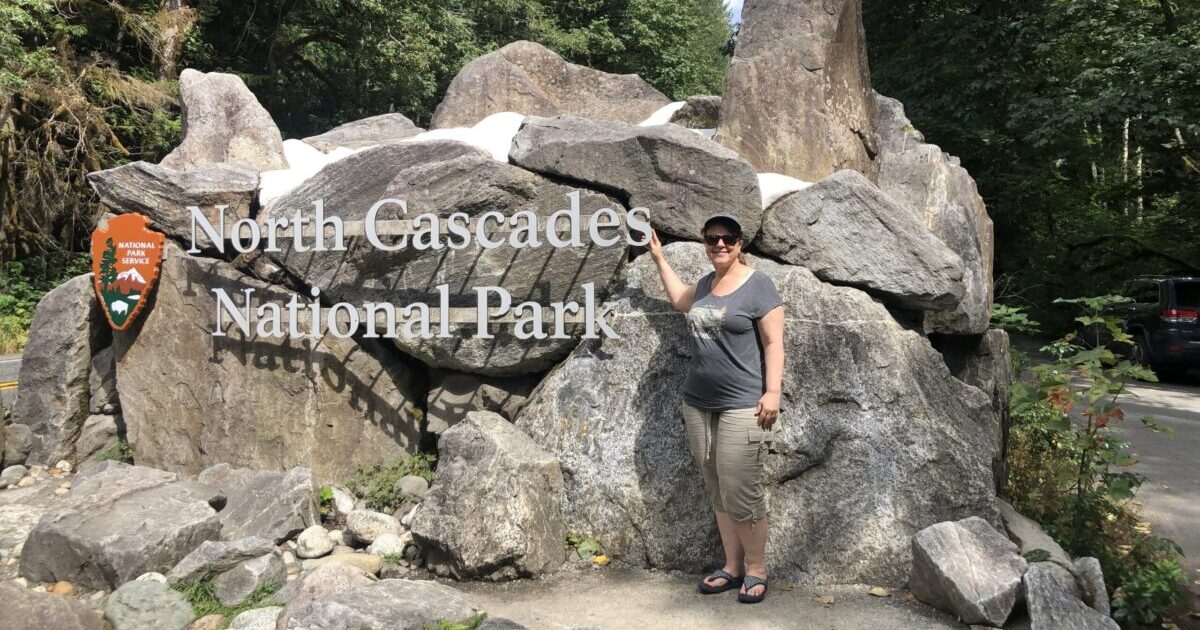
Thinking about visiting a national park this year? You’re definitely not alone.
More people than ever are heading outdoors to explore America’s incredible parks, scenic drives, hiking trails, waterfalls, wildlife, and camping destinations.
But before you pack the car and hit the road, there are a few things you should know that can make a huge difference in your experience.
I recently spoke with a representative from the National Park Service who shared some insider tips to help travelers avoid common mistakes, plan smarter, and make the most of their visits. And honestly? Some of these surprised me too.
Whether you’re planning your first national park trip or you’re a seasoned road tripper, here are some essential tips to know before you go.
There Are More National Parks Than You Probably Realize
When most people think of national parks, they think of places like Yellowstone National Park or Grand Canyon National Park.
But there are actually more than 400 national park sites across the United States and its territories.
That means there’s a good chance you have one much closer to home than you realize.
One of the smartest travel tips? Consider visiting some of the lesser-known parks instead of only focusing on the biggest bucket-list destinations.
You’ll often get smaller crowds, easier parking, shorter wait times, and a much more relaxing experience overall.
And sometimes those hidden gems end up becoming your favorite stops.
Plan Ahead — Seriously
If there’s one thing the National Park Service emphasized, it’s this: plan ahead.
Some parks now experience extremely long entrance lines, packed parking lots, sold-out campgrounds, limited shuttle availability, and timed-entry requirements.
A little planning upfront can save you a LOT of frustration later.
Before your trip, check the official park website for alerts, closures, reservation requirements, parking information, wildfire updates, and current conditions.
The park’s social media pages can also be incredibly helpful for real-time crowd updates and tips.
Download the National Park Service App
The official National Park Service App is actually really useful.
The app covers all national park sites and can help you locate nearby parks, access maps, research attractions, get travel tips, and learn about park amenities.
It’s especially helpful if you’re doing a road trip and want to discover parks you may not have known existed.
Don’t Rely Solely on Your Cell Phone
This is one of those things people often don’t think about until it’s too late.
Many national parks have little or no cell service.
That means GPS may stop working, maps may not load, apps may not function properly, and you may not be able to call for help.
Always download maps ahead of time.
I also recommend bringing a printed map, road atlas, offline navigation tools, and a portable charger or power bank.
Personally, I still love physical road atlases for road trips because they make it easier to see the “big picture” of where you’re traveling.
Know the “10 Essentials”
Even if you’re not planning a hardcore hiking trip, the National Park Service recommends packing the “10 Essentials.”
What are they? They typically include:
- Navigation tools (maps, compass, GPS)
- Sun protection
- Extra clothing/layers
- Illumination (flashlights or headlamps)
- First aid supplies
- Fire starter
- Repair tools and kits
- Extra food/snacks
- Extra water
- Emergency shelter
Practice Responsible Recreation
Unfortunately, park staff still deal with issues like littering, vandalism, damaged natural areas, and people ignoring park rules.
Please don’t be that person.
One of the best things we can do as travelers is help preserve these incredible places for future generations.
That means packing out your trash, staying on marked trails, respecting wildlife, following fire restrictions, cleaning up after pets, and leaving natural items where they are.
The “Leave No Trace” mindset really matters.
You May Not Need the Annual Park Pass
A lot of people automatically buy the annual national park pass without doing the math first.
The annual pass currently costs around $80, but depending on your plans, it may or may not save you money.
If you’re only visiting one fee-based park, paying the single entrance fee may actually be cheaper.
There are also specialty passes available for seniors, military members, veterans, Gold Star families, people with disabilities, volunteers, and fourth graders.
And yes… there’s actually a fourth-grade pass that covers the child plus up to three adults.
Don’t Forget About Free Park Days
Want to save a little money on your visit?
The National Park Service typically offers several free entrance days each year (usually around six), giving visitors the opportunity to explore participating parks without paying an entrance fee.
These free days are often tied to holidays and special observances, including:
- Martin Luther King, Jr. Day (3rd Monday in January)
- The first day of National Park Week (typically one day in April)
- Juneteenth National Independence Day (June 19)
- Great American Outdoors Day (August 4)
- National Public Lands Day (typically the 4th Saturday in September)
- Veterans Day (November 11)
If you’ve been wanting to visit a national park, planning around one of these dates can be a great budget-friendly option.
Since the exact dates can vary slightly from year to year, it’s always a good idea to double-check the official National Park Service free entrance days page before planning your trip.
Traveling With Kids? There Are Tons of Educational Activities
One of the coolest things I learned was about the Junior Ranger program.
Many parks offer activity booklets and educational programs where kids can complete activities and earn Junior Ranger badges.
Some are age-specific, theme-based, available digitally, and even accessible from home.
Think Junior Ranger programs are just for kids?
Nope! Adults can participate too — and honestly, they’re a fun way to learn more about the park you’re visiting while bringing out the kid in you a little bit, too.
Whether you’re planning a big national park adventure or just spending the day exploring a park close to home, activity books, scavenger hunts, and nature journals can help keep kids entertained while helping them learn more about the outdoors.
Looking for some fun and educational ways to keep the kids engaged outdoors? There are some really great national park activity books, nature scavenger hunts, travel games, and wildlife journals that can make exploring parks even more interactive and memorable.
Book Campsites Earlier Than You Think
Camping demand has exploded in recent years.
If you want to stay inside or near popular parks, don’t wait until the last minute to book accommodations or campsites.
The main reservation platform for federal lands is Recreation.gov.
Besides campsites, you may also need reservations for ferries, tours, timed park entry, and popular attractions inside parks.
Some reservations open months in advance and can sell out quickly.
Final Thoughts
National parks are some of the most incredible places you can experience in the United States.
But a little preparation can completely change your trip for the better.
The biggest takeaway? Don’t just show up and hope for the best.
Research ahead of time, stay flexible, pack smart, and consider exploring parks beyond the most famous Instagram hotspots.
You may end up discovering a place you love even more.
And if you’ve visited a national park recently, I’d love to know: What’s one thing you wish you knew before you went?