
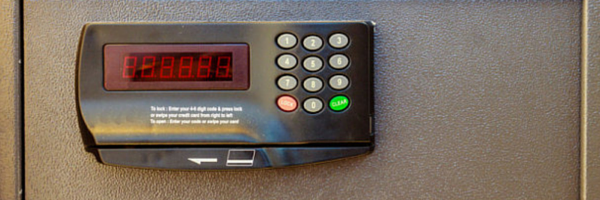
You check into your hotel, put your passport, cash and other valuables in the room safe, choose a code, close the door and head out for the day.
But how secure is that safe, really?
I started looking into hotel room safes after seeing a news investigation that demonstrated just how quickly hotel employees could open them. That was years ago, but it raised a question that’s still relevant today: Should you trust a hotel room safe with your valuables?
The answer isn’t as simple as yes or no. A hotel room safe can add a layer of protection, but it isn’t completely inaccessible to hotel staff, and there are a few things travelers should understand before using one.
Are hotel room safes actually safe?
A hotel room safe can provide an additional layer of protection for your belongings, but that doesn’t mean it’s completely secure.
The TV news team went to 6 hotels across the country and rented hotel rooms. At each hotel, the “guest” put some valuables in the room safe and a little later, called the front desk and told them that they couldn’t retrieve their valuables because their safe wouldn’t open. Could the hotel please send someone to open it for them?
At each place, a hotel employee showed up at the room and identified him/herself.
According to the investigation, the employees were able to open the safes without the guests’ codes. What concerned me even more was that the people conducting the investigation weren’t asked to prove they were the registered guests before the safes were opened.
The investigation itself is dated, so I wouldn’t use it as evidence that every hotel handles locked safes this way today. But it illustrates something travelers may not realize: hotels need a way to access a room safe when a guest forgets a code or the safe malfunctions.
How can hotel staff open a locked safe?
Hotel safes generally have some type of override or emergency-access mechanism so authorized staff can help when a guest forgets a code, the batteries fail or the safe malfunctions.
The exact method depends on the safe and hotel. The important thing for travelers to understand is that entering your own code doesn’t necessarily mean you’re the only person who can open the safe.
That information definitely changed the way I thought about hotel safes.
On my vacation to Costa Rica, I used the room safe to lock up my valuables which included some cash, my laptop, and my passport.
Like a lot of travelers, I assumed that once I’d entered my code and closed the door, my belongings were secure. What I hadn’t really considered was that hotels need a way to open those safes when something goes wrong.
That doesn’t mean I think you should never use a hotel safe. It does mean I think you should understand its limitations and be thoughtful about what you put inside it.
Is a Hotel Responsible if Something Is Stolen From Your Room?
This isn’t something I’d make a blanket statement about. A hotel’s responsibility for stolen property can depend on where you’re staying, local laws, hotel policies and the circumstances surrounding the loss.
If you’re traveling with particularly valuable property, check the hotel’s policies and your travel or homeowners/renters insurance coverage rather than assuming the hotel will reimburse you if something disappears.
Should You Use a Hotel Room Safe?
I don’t think the takeaway is that hotel safes are useless.
If my choices are leaving my passport or other valuables sitting out in the room or putting them in the safe, I’d rather add that extra layer of protection. But I wouldn’t treat a hotel room safe like a bank vault.
Think of it as one part of your overall strategy for protecting your belongings while you travel.
How to Protect Your Valuables at a Hotel
1. Bring fewer valuables
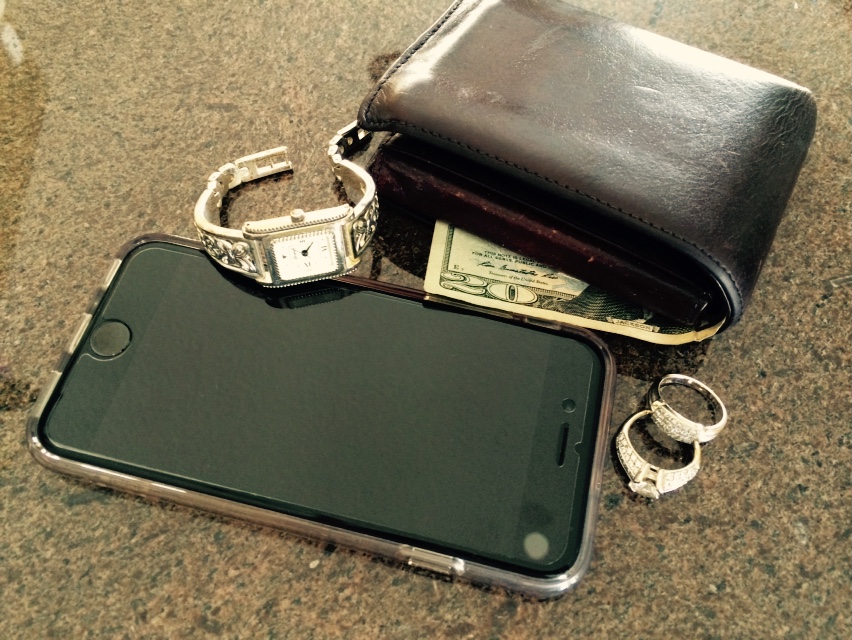
If you don’t need expensive jewelry, watches or other high-value items on your trip, consider leaving them at home. The fewer valuables you bring, the fewer things you have to worry about protecting.
2. Don’t keep everything together
Avoid keeping all of your cash, credit cards, identification and other important items in one place. If something is lost or stolen, you don’t want to lose every way you have of accessing money or proving your identity at the same time.
3. Use the room safe thoughtfully
A room safe can still provide more protection than leaving valuables sitting in plain sight. Just remember that it isn’t completely inaccessible to hotel staff.
4. Ask about other secure-storage options
If you’re carrying something particularly valuable, ask the hotel what secure-storage options are available. Depending on the property, there may be an alternative to the safe in your room.
5. Protect the information on your devices
A stolen phone, tablet or laptop can create problems beyond the cost of replacing the device. Use strong passwords or passcodes, enable your device’s tracking features when available, and make sure important information is backed up before you travel.
What to Do If Something Is Missing
If you discover that something is missing from your hotel room or safe, report it to hotel management as soon as possible. Ask the hotel to document your report and find out what information they need from you.
Depending on what was stolen and the circumstances, you may also need to contact local law enforcement, your credit-card company, your insurance provider, or the appropriate government agency if your passport is missing.
The Bottom Line: Should You Trust a Hotel Room Safe?
I wouldn’t say you should never use a hotel room safe. I still think it can be a useful place to store certain belongings rather than leaving them sitting out in your room.
But I also wouldn’t assume that entering a four-digit code makes the safe completely secure.
For me, the bigger lesson is to think in layers: bring fewer valuables, don’t keep everything in one place, protect your electronic devices, and use the hotel safe as one tool rather than your entire security plan.
A little preparation can save you a lot of time, money and frustration if something does go wrong while you’re away.
Do you use the safe when you stay in a hotel? Has anything ever made you question how secure it was? Tell me about your experience in the comments.
Yes! Always make copies of your passport just in case. You can always save a copy in a secure place such as Box so you can access it online if the situation arises. Storing it in a safety deposit box at the front desk is definitely a better, safer option. Thanks for reading and commenting!
If I were to carry expensive jewelry with me on a trip, I’d opt to pay for a high-security deposit box. Or better yet, just take real-looking costume jewelry and leave my valuables at home.
Great article Amy! It’s really good information that I will use the next time on vacation. Thank you!